Förboka din upplevelse. Populära biljetter och paket.
Vi har just nu tekniska problem med onlineförsäljningen av biljetter. Felsökning pågår. Vänligen försök senare.

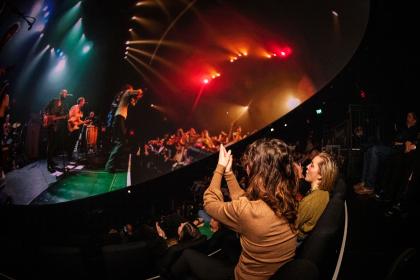
KVÄLLSFÖRESTÄLLNINGAR I WISDOME.
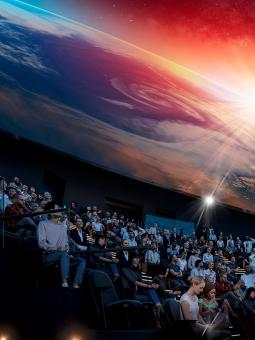
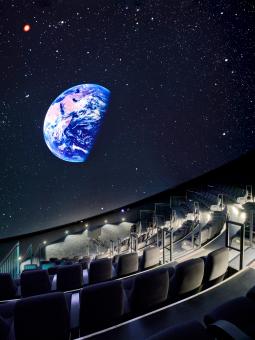
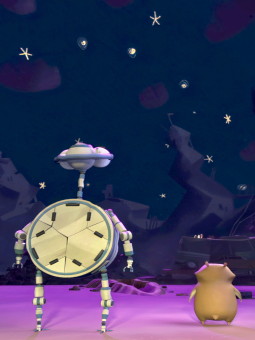
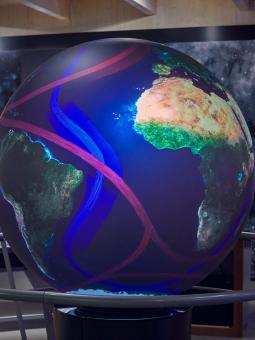
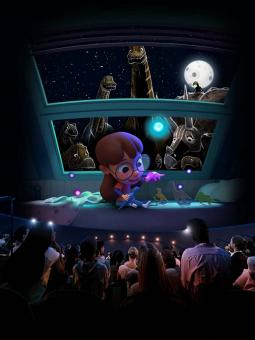
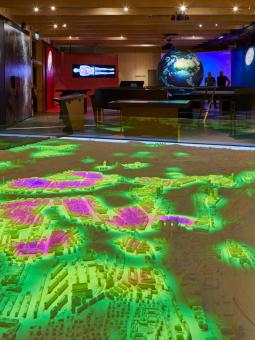
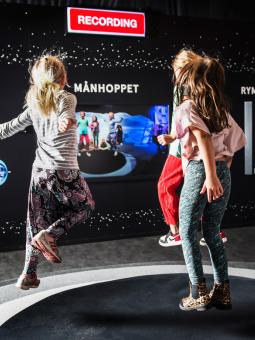
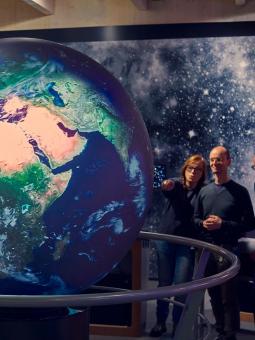
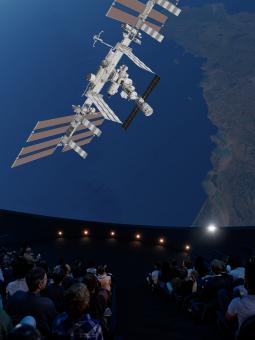
Utvalda kvällar är Wisdome öppen även på kvällstid för dig som vill uppleva domens magi utan att besöka hela Universeum. Just nu visas STORT 3D. Välkommen till en utomjordisk 360-upplevelse!

SCIENCE CLUB.
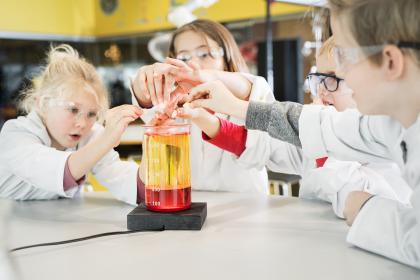
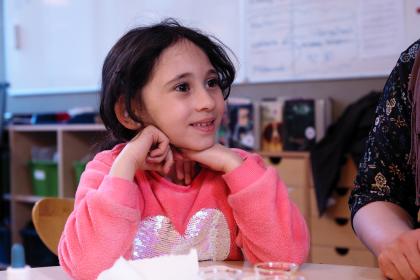
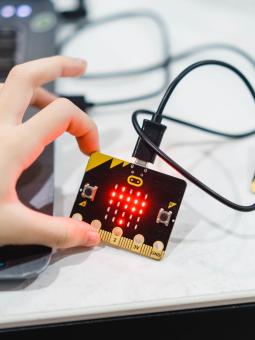
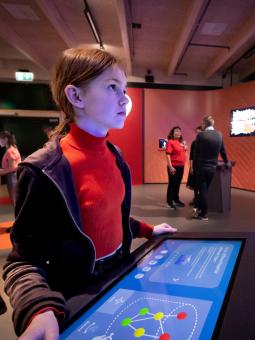
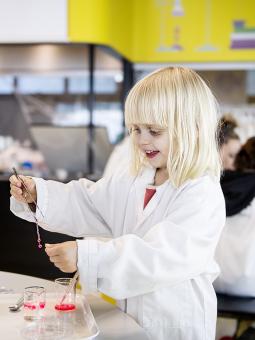
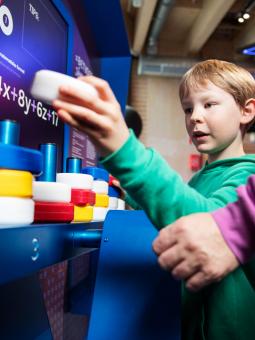
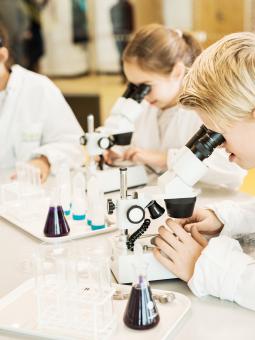
En fritidsklubb på Universeum för 9–11-åringar som vill utforska, undersöka och upptäcka naturvetenskap, teknik, ingenjörsvetenskap och matematik.

MAXADE WISDOMEVECKOR.
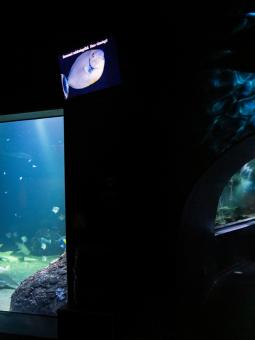
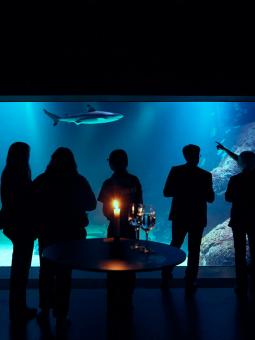
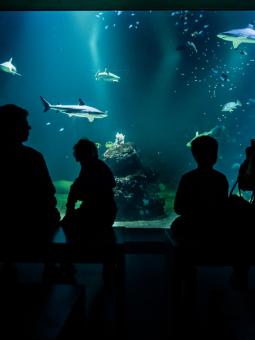
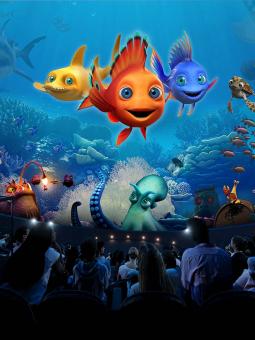
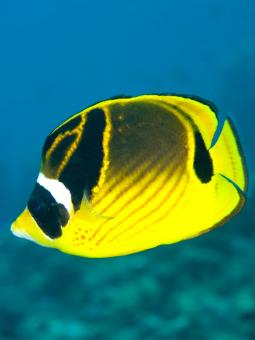
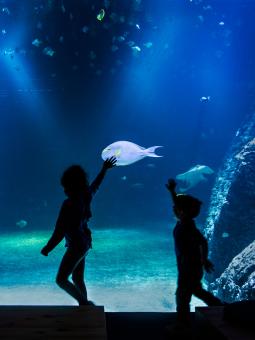
Påsklovet på Universeum är spännande, roligt och fullt av aktiviteter för alla. Dyk ner under ytan och spana på hajar och upplev en skönsjungande show. Dessutom har vi maxat med föreställningar i Wisdome.

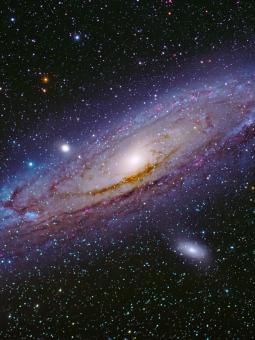
Från minsta molekyl till gigantiska galaxer.
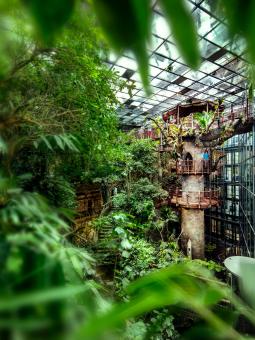
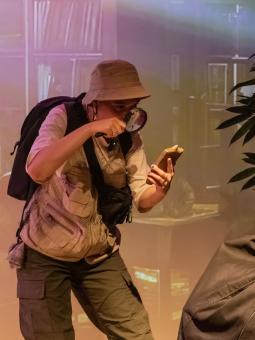
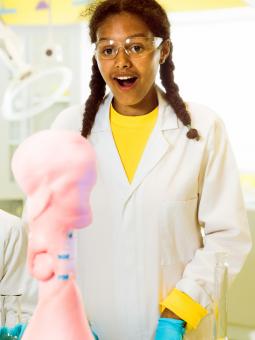
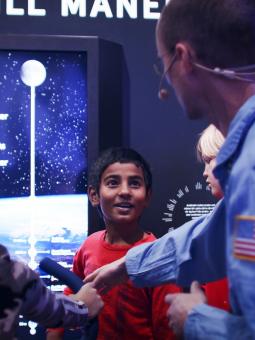
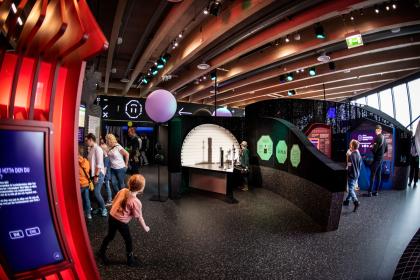
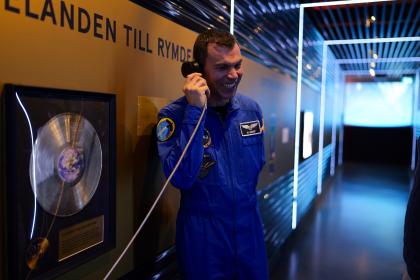
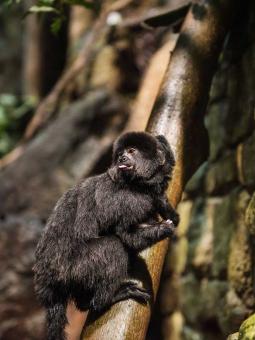
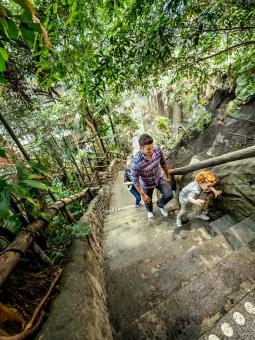
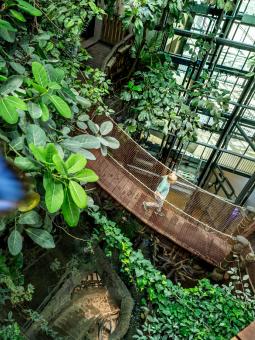
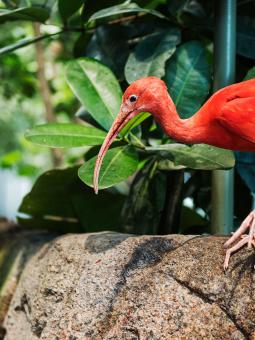
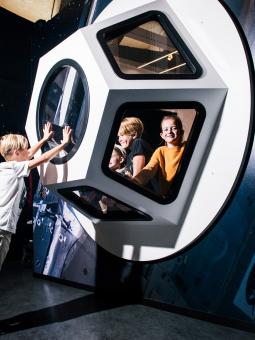
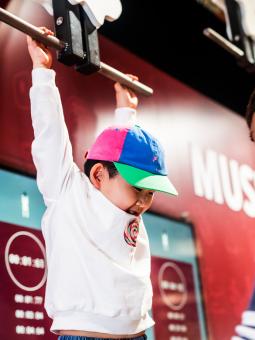
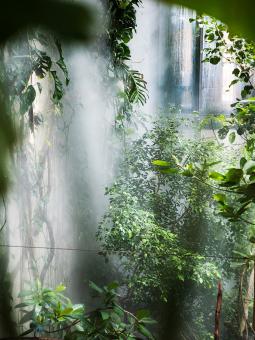
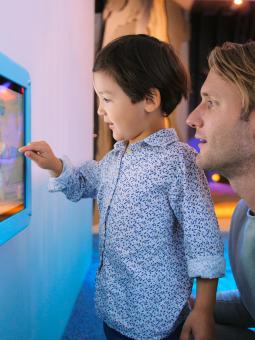
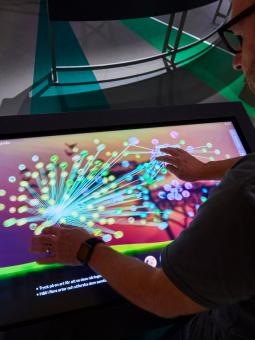
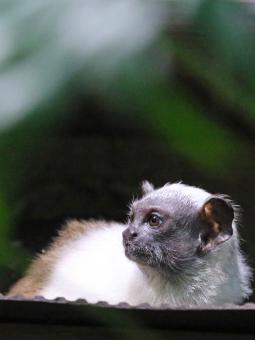
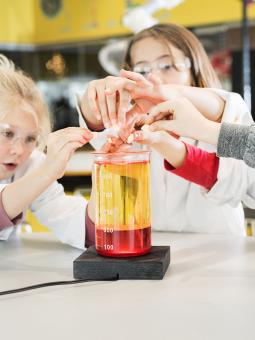
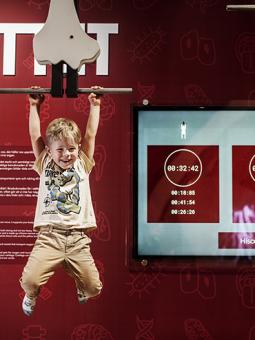
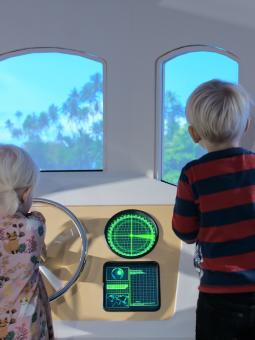
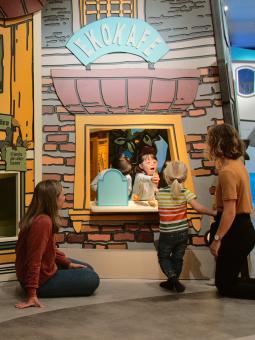
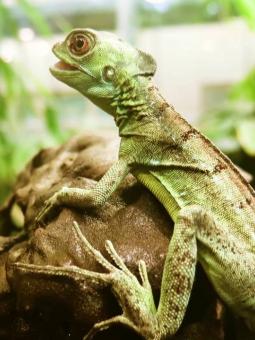
På Universeum utforskar du världen. Gå på regnskogssafari, res till månen, labba som en kemist, känn dina hjärtslag och dyk ner i oceanernas djup!
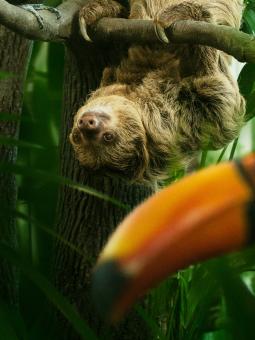

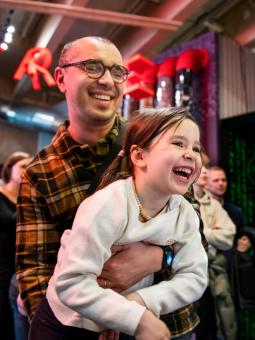

Aktiviteter med Miniverseum varje vardag 10.00–12.00!
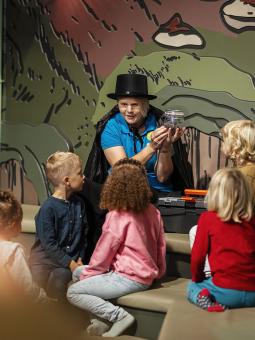
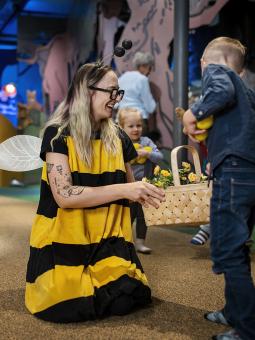
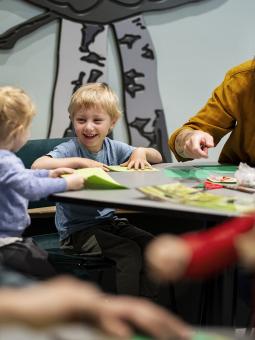
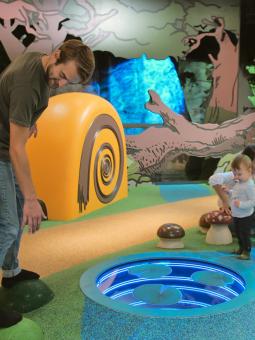
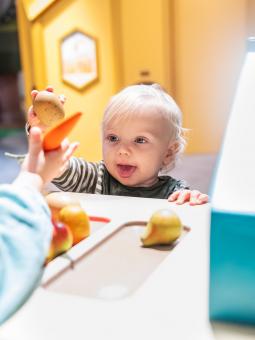
Skapa och labba, kompishäng, showtajm, upptäckarklubb och småkrypsdisco. Miniverseum låter de små leka och lära tillsammans med sina vuxna. Vi är ditt gigantiska vardagsrum fyllt med äventyr och vänner! Vilka dagar kommer du?

Maxade Skolreseäventyr!
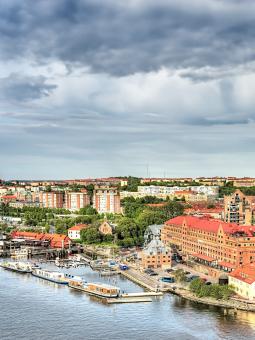
En skolresa till Universeum är mycket mer än ett äventyr i Göteborg. Vårt hus är packat med kunskap, upplevelser, äventyr och vänner!

HÅLLBARA EVENTUPPLEVELSER.
På Universeum skapar vi event som gör avtryck. Vi arbetar med hållbarhet genom hela upplevelsen, från restaurang till aktiviteter i våra unika miljöer. Ett event hos oss ger kunskap och kraft att göra jorden till en bättre och mer hållbar plats att leva på.
Ditt besök bidrar till en hållbar framtid.
När du besöker Universeum gör du något riktigt viktigt medan du har riktigt roligt. Upplevelserna ger dig kunskap och kraft så att vi tillsammans kan forma en hållbar framtid. Varje besök ger oss också möjligheter och medel att öka människors vetenskapliga kapital, bevara den biologiska mångfalden och forska om livslångt lärande.
Senaste nytt från Sveriges nationella vetenskapscenter.
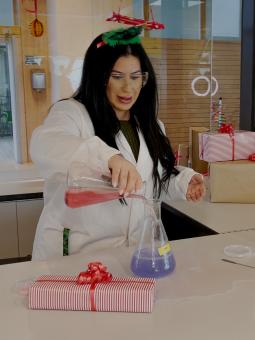







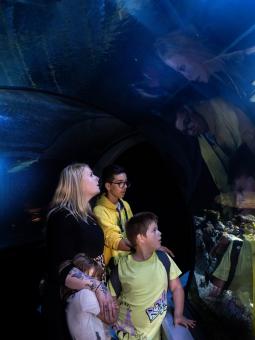
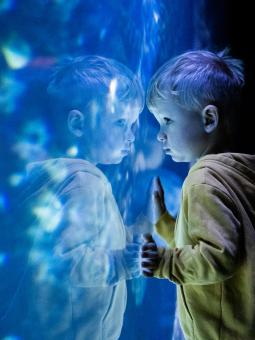
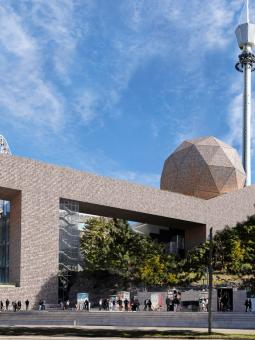









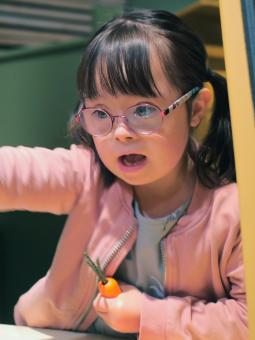
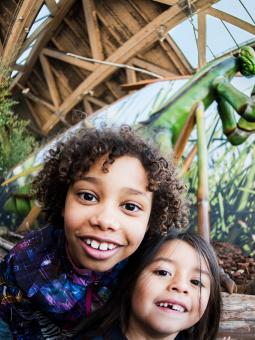
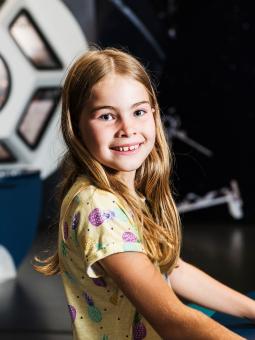



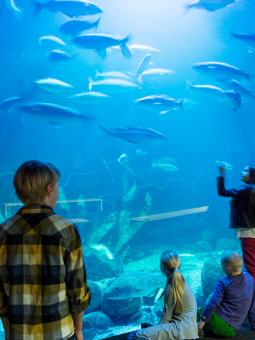





Jul och nyår på Universeum.
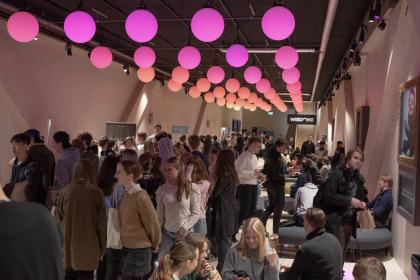
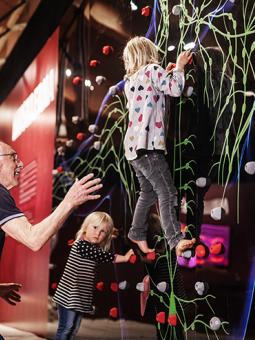
Vare sig du har ett långt jullov eller bara en stunds ledigt så har vi äventyren för dig. Kanske är julens bästa gåva upplevelser tillsammans? Vi har öppet alla dagar, även julhelgen och nyårsafton.